The "Pani" Problem: Turning Your Business Water from a Liability into a Secret Weapon
In the industrial heartlands of the world, a quiet crisis is brewing. We call it the "Pani" problem.
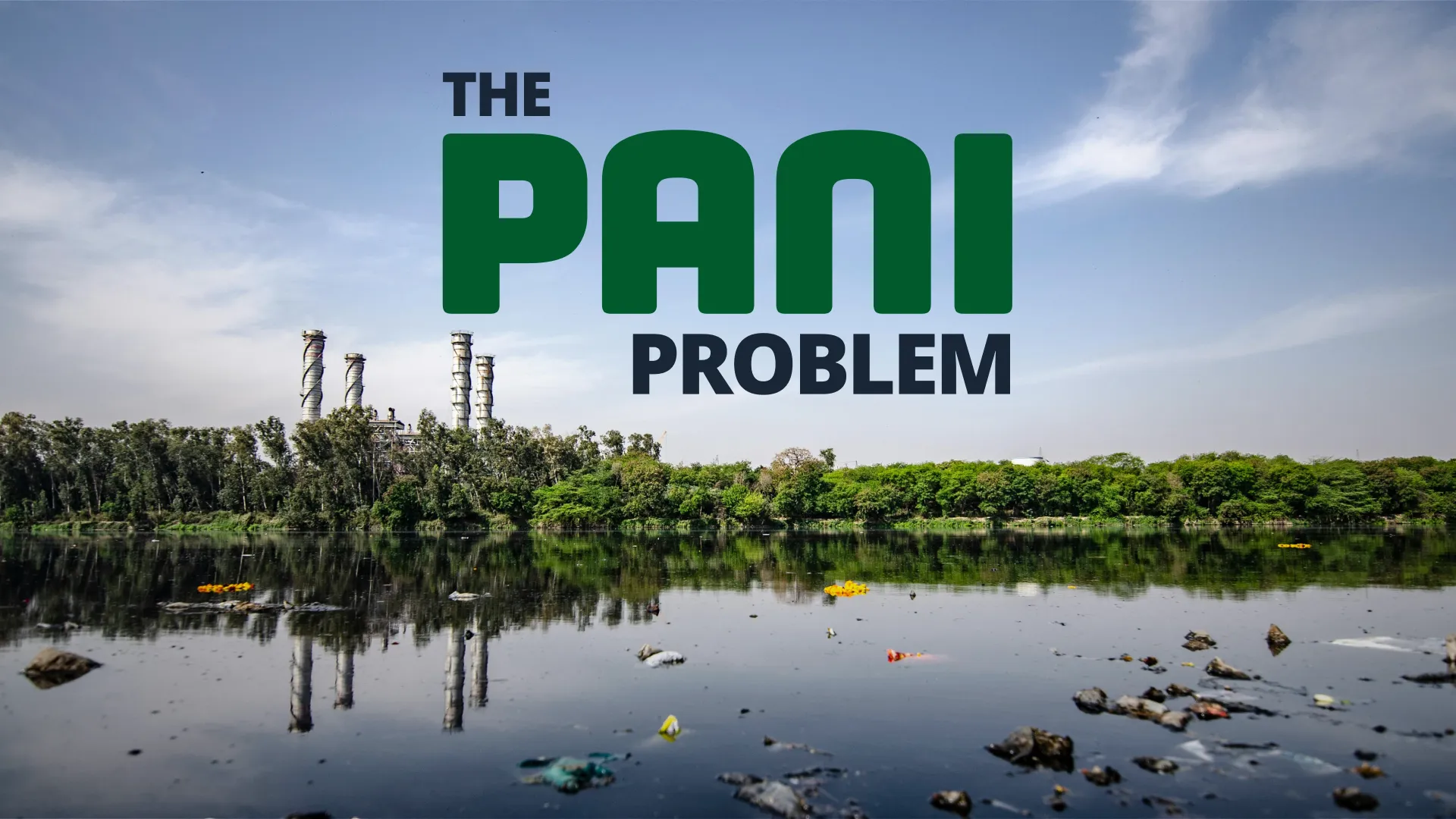
In the industrial heartlands of India, the GCC, and South Asia, a quiet crisis is brewing. We call it the "Pani" problem. For CXOs and facility managers in sectors like Pharma, Textiles, and Dairy, water has traditionally been viewed as a basic utility, but it is increasingly becoming a costly headache. Whether it’s rising procurement costs, stricter Zero Liquid Discharge (ZLD) mandates, or the hidden damage of poor-quality feedwater, water is often treated as a liability.
But what if you could flip the script? Industrial water purification is no longer just about compliance; it is about competitive advantage. By shifting from a "disposable" water mindset to a circular one, you can transform your water management into a high-ROI secret weapon. The right technology isn't an expense; it’s a strategic resource optimization in your facility's long-term resilience and profitability.
Why Turning Water Liabilities into Strategic Assets Matters
In 2026, "business as usual" regarding water is a recipe for operational risk. As groundwater levels deplete and municipal taxes surge, shifting to a Bespoke treatment architecture offers four undeniable business benefits:
- Operational Resilience: By implementing an industrial recycling plant model, you decouple your production schedule from municipal shortages.
- Equipment Longevity: High-quality industrial water filtration removes the minerals that cause boiler scaling and corrosion.
- Brand and ESG Value: A robust treatment system is a badge of sustainable wastewater treatment that wins global contracts.
- Direct Bottom-Line Savings: Reducing the volume of "fresh" water purchased and "waste" water discharged creates a double-sided financial win.
Understanding the Mechanism: How Does an Industrial Water Filter Work?
To solve the "Pani" problem effectively, most facilities require a multi-stage process water treatment architecture designed to answer the fundamental question: how to filter industrial water efficiently?
- Media & Mechanical Filtration: The first line of defence, straining out large suspended solids, silt, and rust.
- Ultrafiltration (UF): A membrane-based process that removes bacteria and microscopic particles.
- Reverse Osmosis (RO): The gold standard for demineralization. By forcing water through a semi-permeable membrane, our systems are designed to permeate TDS below 50 ppm, depending on feedwater chemistry.
- Zero Liquid Discharge (ZLD): For those seeking total water independence, a high-performance system targets a typical ZLD recovery range of 85–95%.
Technical Design Basis: Standard Performance Benchmarks
For an industrial RO plant to be sustainable, it must adhere to strict engineering parameters. Our custom solutions are built around these core specifications:
- UF Pore Size: 0.01–0.1 micron (ensuring total removal of colloidal silica and pathogens).
- Typical RO Recovery: 65–85% (optimized to balance water savings with membrane life).
- Scaling & Fouling Indices: Designed to maintain an SDI < 3 (Silt Density Index) and controlled LSI (Langelier Saturation Index) to prevent irreversible membrane scaling.
Key Factors to Consider
When evaluating Industrial Water Filtration, industrial decision-makers must move beyond the sticker price.
- Inlet Water Quality: You cannot treat what you haven't measured. A detailed lab analysis of the BOD vs. COD difference is the mandatory first step. While BOD (Biochemical Oxygen Demand) measures biodegradable organics, COD (Chemical Oxygen Demand) measures the total chemical load.
- The Cost of Fouling: Ignoring poor water quality leads to membrane fouling, reducing heat efficiency by 15–20% and driving up energy consumption.
- Sludge Yield Management: An effective system must account for the sludge yield per m³ of treated water. Calculating this yield ensures your dewatering equipment (like filter presses) is sized correctly to prevent operational bottlenecks.
- Automation (PLC/SCADA): Systems that monitor themselves in real-time prevent human error and ensure consistent water quality.
Cost Breakdown & ROI
Understanding the difference between CapEx (Capital Expenditure) and OpEx (Operating Expenditure) is crucial for a Sustainability Officer.
- CapEx (Initial Investment): While high-quality stainless steel and advanced membranes cost more upfront, they significantly reduce the frequency of part replacements.
- OpEx (Running Costs): A Process-specific water engineering is designed to minimize recurring costs through energy recovery devices and high-efficiency pumps.
- The ROI: Most Panda Water Tech clients see a full return on investment within 18 to 36 months solely through reduced procurement and discharge fees.
Benefits of Custom / Advanced Solutions
Why settle for "off-the-shelf" when your water chemistry is unique?
- Precision Engineering: Every membrane is selected based on your specific pollutant profile (e.g., high dyes in Textiles vs. high organics in Dairy).
- Future-Proofing: Custom systems are built to be scalable, allowing you to add treatment "trains" as your production grows.
- Minimal Waste: Advanced recycling systems can push recovery rates to 90% or higher, moving you closer to true Zero Liquid Discharge.
Common Mistakes to Avoid
- Under-estimating Pre-treatment: Skipping the "simple" filters to save money will lead to your expensive RO membranes failing in weeks.
- Ignoring Maintenance Training: If your facility managers aren't trained to spot a drop in Normalized Permeate Flow, small issues will become catastrophic failures.
- Treating the Full Flow: Often, it is more efficient to segregate your most polluted waste streams and treat them independently rather than mixing them with "grey" water.
- Buying Based on Price Alone: The "cheapest" plant usually has the highest energy consumption and the most frequent downtime.
Why Choose Panda Water Tech?
At Panda Water Tech, we don't just sell filters; we partner with you to solve the "Pani" problem.
- Local Expertise: Deep experience navigating the unique water challenges of India, Africa, South Asia, and the GCC.
- R&D Backed: Our engineers utilize the latest membrane technologies to ensure over 99% impurity removal.
- Full Lifecycle Support: From initial water audit to long-term Annual Maintenance Contracts (AMC).
- Industry Specifics: We have proven track records in high-stakes environments like Pharmaceuticals and Textiles.
- Engineering-First Approach: Every solution is a Custom Engineered Total Water Solution, never a one-size-fits-all kit.
Your questions answered
01.
How can we solve the problem of water scarcity in our factory?
The most effective method is through industrial water recycling. By treating your own effluent to process-grade quality, you reduce your reliance on external water sources by up to 90%.
01.
How do I know if I need an RO plant or just an Ultrafiltration system?
This depends on your "feedwater" chemistry. If you need to remove dissolved salts (TDS), you need RO. If you only need to remove suspended solids and bacteria, UF may suffice. A Panda Water Tech audit can clarify this.
01.
Is water becoming a problem for regulatory compliance?
Yes. New 2026 regulations in many regions now require real-time effluent monitoring. Our systems come with integrated sensors that connect directly to regulatory servers for hands-free compliance.